
The fourth pathway which interests us and is of note for alcohol addiction is the pathway of glutamate. There have been some studies conducted into the involvement of this pathway in the process of alcohol addiction. According to one study published by67 physical dependence, which refers to the pharmacological tolerance induced by chronic alcohol intake, results in AWS and is neurobiologically supported by the imbalance between GABA and glutamate-NMDA neurotransmission. Candidate genes suggested in the development of alcohol addiction are involved in the dopaminergic, serotoninergic, GABA and glutamate pathways. Addictive substances hook people physically by messing with their brain’s chemistry.

The Long-Term Recovery of Dopamine Levels
Our counseling staff provides individualized treatment and care for our clients with an emphasis on tailoring treatment to the specific needs of each individual. Additionally, our staff provides family counseling, relapse prevention, life skills, and grief and trauma counseling. The dopamine (DA) system in the CNS includes the nigrostriatal pathway, the mesolimbic pathway and the tuberoinfundibular pathway.
- Your brain adapts to the sudden increase in the neurotransmitter by producing less dopamine, but because of the link to pleasure, it doesn’t want you to stop after a few drinks — even when your dopamine levels start to deplete.
- Alcohol addiction and dependence of late has been shown to be affected by the influence of genes.
- Alcohol alters NMDA and metabotropic MGlu5 receptors thus interfering with glutamate transmission.
Alcohol Misuse and Its Lasting Effects
It may also contribute to the difficulty many people face in quitting alcohol, as they may struggle to experience pleasure from other activities due to altered dopamine function. «The gene we investigated, OPRM1, has received considerable attention in the alcohol research field both in terms of risk for alcoholism and for responsiveness to treatment with Naltrexone,» noted Ray. These results provided rational for a randomized placebo‐controlled clinical trial in alcohol‐dependent individuals. Over time, the brain’s reward system becomes overstimulated by alcohol-induced dopamine surges. In response, the brain reduces the number of dopamine receptors, making it harder to feel pleasure. This is why long-term drinkers often feel unmotivated or unable to experience joy in everyday activities without alcohol.
How Does Alcohol Impact Dopamine Levels?
The atypical antipsychotic tiapride has been found to be efficacious in reducing alcohol drinking two placebo‐controlled clinical trials 158, 159. A small study in twenty alcohol‐dependent individuals, with significant levels of anxiety or depression, showed that tiapride treatment causes a reduced alcohol intake as well as prolonged periods of abstinence 158. In the largest of the alcohol and dopamine studies 159, 100 recently abstinent alcohol‐dependent patients were randomized to 300 mg of tiapride or placebo for a 3‐month treatment period. This study showed that patients receiving medication had higher rates of abstinence and improved on an array of health care outcomes. This article will delve deep into how alcohol triggers dopamine release, how it affects the brain’s reward pathways, and how repeated drinking can lead to addiction. We will also discuss the signs of dopamine deficiency in chronic alcohol users and explore strategies for recovering dopamine balance.
Dopamine as a Treatment Target for Alcoholism
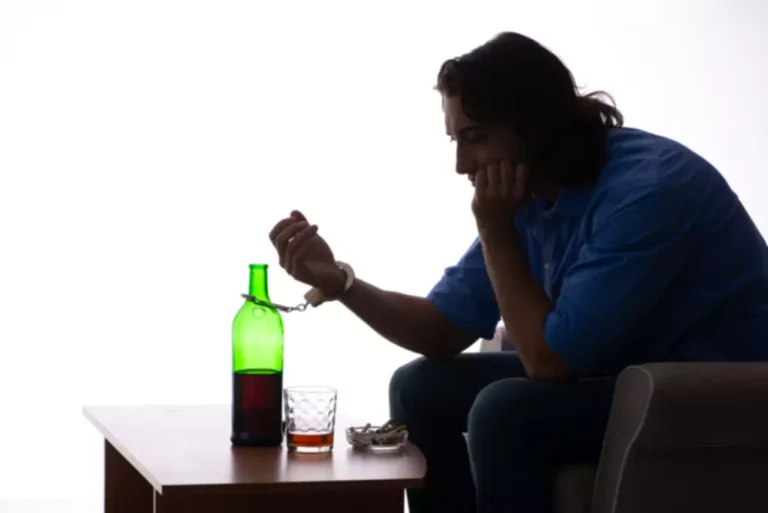
Over time, excessive drinking can lead to mental health problems, such as depression and anxiety. Alcohol abuse can increase your risk for some cancers as well as severe, and potentially permanent, brain damage. It can lead to Wernicke-Korsakoff syndrome (WKS), which is marked by amnesia, extreme confusion and eyesight issues. WKS is a brain disorder caused by a thiamine deficiency or lack of vitamin B-1. You can promote healthy changes in the brains and behaviors of patients with AUD by encouraging them to take a long-term, science-based approach to getting better. For practical, evidence-based tips on supporting your patients with AUD, see the Core articles on treatment, referral, and recovery.
- Activities such as eating, hugging and exercising can generate dopamine production in the brain.
- In contrast to the exhilaration we felt while drinking, this abrupt dopamine dip might leave us feeling gloomy, nervous, or depressed.
- Similarly, another study conducted by66 found no association between the genes encoding GABRA1 and GABRA6 with alcoholism.
- A study conducted by39 to assess the association of Taq1A polymorphism and AD in south Indian population yielded negative results.40,41 also did not find any association with Taq1A polymorphism and AD amongst Mexican-Americans.
- In addition to behavioral therapies, Medication-Assisted Treatment (MAT) offers a clinical approach to managing cravings and reducing alcohol dependence.
The severity of these symptoms can vary widely depending on factors such as the duration and intensity of alcohol use, individual physiology, and overall health. Your brain’s dopamine dance might be calling the shots, but sobriety promises a biochemical ballet of recovery and renewal. The intricate relationship between alcohol, dopamine, and the brain’s reward system plays a crucial role in both addiction and recovery.

Health Categories to Explore
These findings provide evidence that an «as-needed» prescription of nalmefene may be an effective treatment for alcohol dependence for some. Unlike medications that must be taken every day, the as-needed approach targets medication administration to periods where alcohol use is more likely and may help break the cycle of alcohol dependence and binge drinking. «We have known for a long time that alcoholism runs https://ecosoberhouse.com/ in families, which implies a genetic risk,» said Dr. Raymond F. Anton, Distinguished Professor and director of the Center for Drug and Alcohol Programs at the Medical University of South Carolina.
The relationship between alcohol, dopamine, and mental Drug rehabilitation health is multifaceted. While alcohol can initially produce feelings of pleasure and relaxation due to increased dopamine release, chronic alcohol use can lead to dopamine dysregulation, potentially contributing to or exacerbating mental health issues such as depression and anxiety. The cycle of increased drinking to combat negative emotions, followed by worsening mood due to dopamine depletion, can be particularly challenging for individuals with co-occurring mental health and alcohol use disorders. Albeit the preclinical data look promising regarding the glycine transporter‐1 inhibitor Org25935, the multicenter randomized clinical trial produced a negative outcome on alcohol intake, but did not discard the potential importance of the mechanism 207. More promising clinical studies with varenicline show that this agent decreased alcohol consumption and craving in an experimental setting in heavy‐drinking smokers 208–210. Moreover, data from a randomized clinical trial in alcohol‐dependent individuals show that the smoking cessation agent reduced the weekly percent heavy drinking days drinks, decreased the drinks per drinking day as well as prevented alcohol craving 211.

Alcohol and Dopamine: The Complex Relationship Between Drinking and Brain Chemistry

Besides that, if you have a co-occurring mental health challenge, you manage it. As mentioned previously, in addition the affecting the dopamine system directly, alcohol interacts with the mesolimbic dopamine system indirectly via several other neurotransmitters. There is a wide range of such compounds, and here, we will only mention a few, specifically targeting glycine receptors and nAChRs, with a clear interaction with dopamine transmission in the mesolimbic dopamine system 64. «Intoxication occurs when alcohol intake exceeds your body’s ability to metabolize alcohol and break it down,» explains Amanda Donald, MD, a specialist in addiction medicine at Northwestern Medicine. Exciting developments are happening in the world of addiction that will allow clinicians and researchers to develop targeted therapies that may be able to prevent addiction and alcohol-related brain damage in dependent individuals. Conversely, there are also high rates of alcohol-related disorders in psychiatric patients, particularly in those with bipolar disorder and depression when compared to the general population 19, 20.